Mango Range
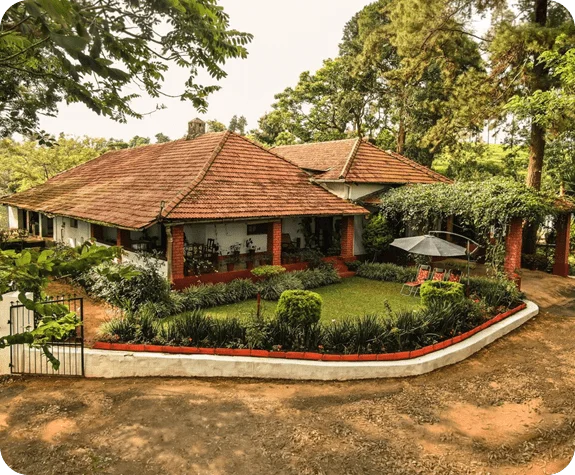
Mr. James Ouchterlony arrived in the Nilgiri-Wayanad district in 1845 and began the arduous task of opening up the area for plantations. Initial attempts at coffee failed due to pests. The 1874 gold rush turned the tide but it was short-lived. However Some of the mine shafts still remain active and gold is still panned. With the lodes being poor, the focus shifted back to coffee and tea. The English and Scottish Joint Wholesale Co Operative Society Ltd. acquired tracts of land in the Pandalur and Devala area in 1916 and began planting tea.Today, the 2,500-acre property has lush tea estates and two factories. A rich time capsule of bygone era, it inspires curiosity and our staff will be delighted to show you around.
Valparai
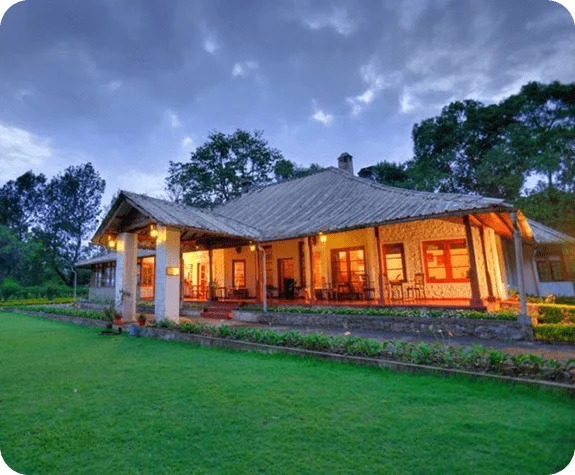
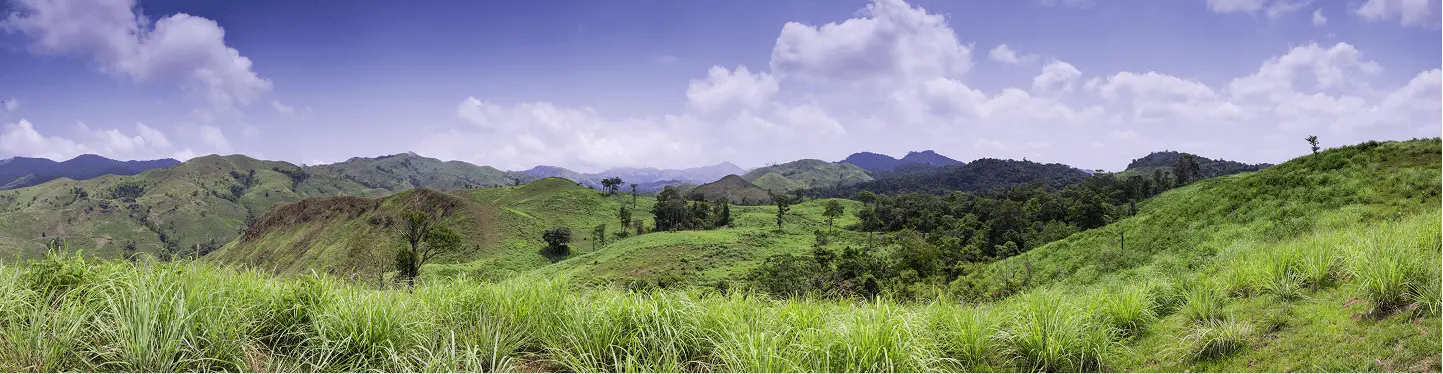
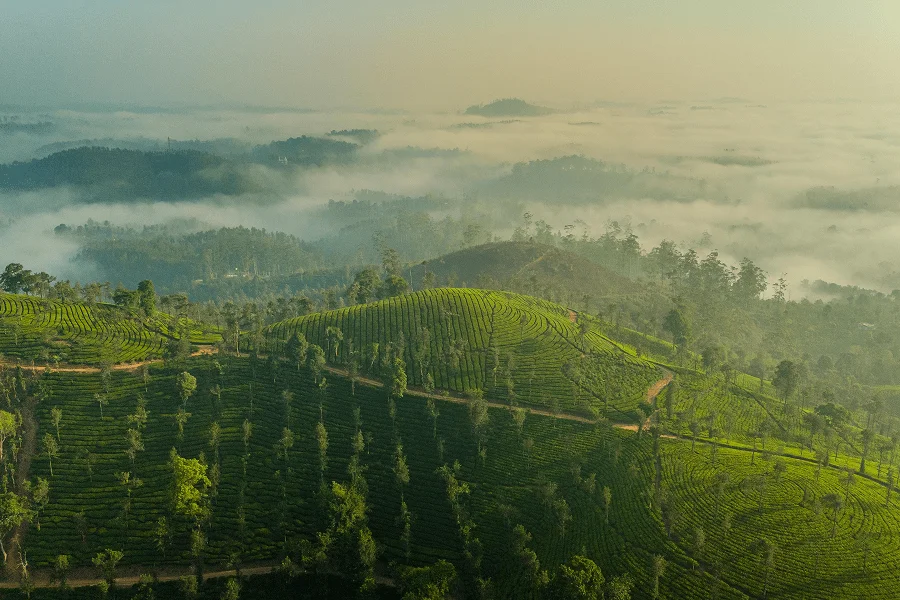
The story begins in 1896. when Capt. E.G. Windle M.B.E began planting coffee in this area along with with our predecessors, Messrs. Marsh and Congrieve. Aided by the Moplah contractors, they felled the forest and also experimented with rubber, tea, and cardamom. Soon, they discovered their fortune: Tea! Today the estate is home to 555 acres of organic tea and 1215 acres of conventionally grown tea. Every nook and corner of the estate is packed with stories. Mr. Congreve himself wrote a charming book about the district's early history. You can leaf through it at your leisure in the library, over a cup of tea.
Kadamane
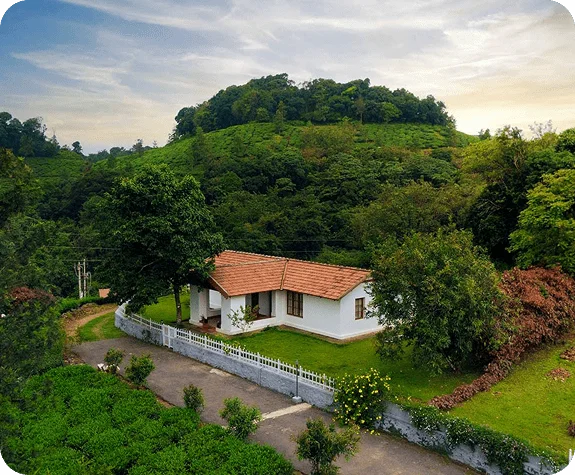
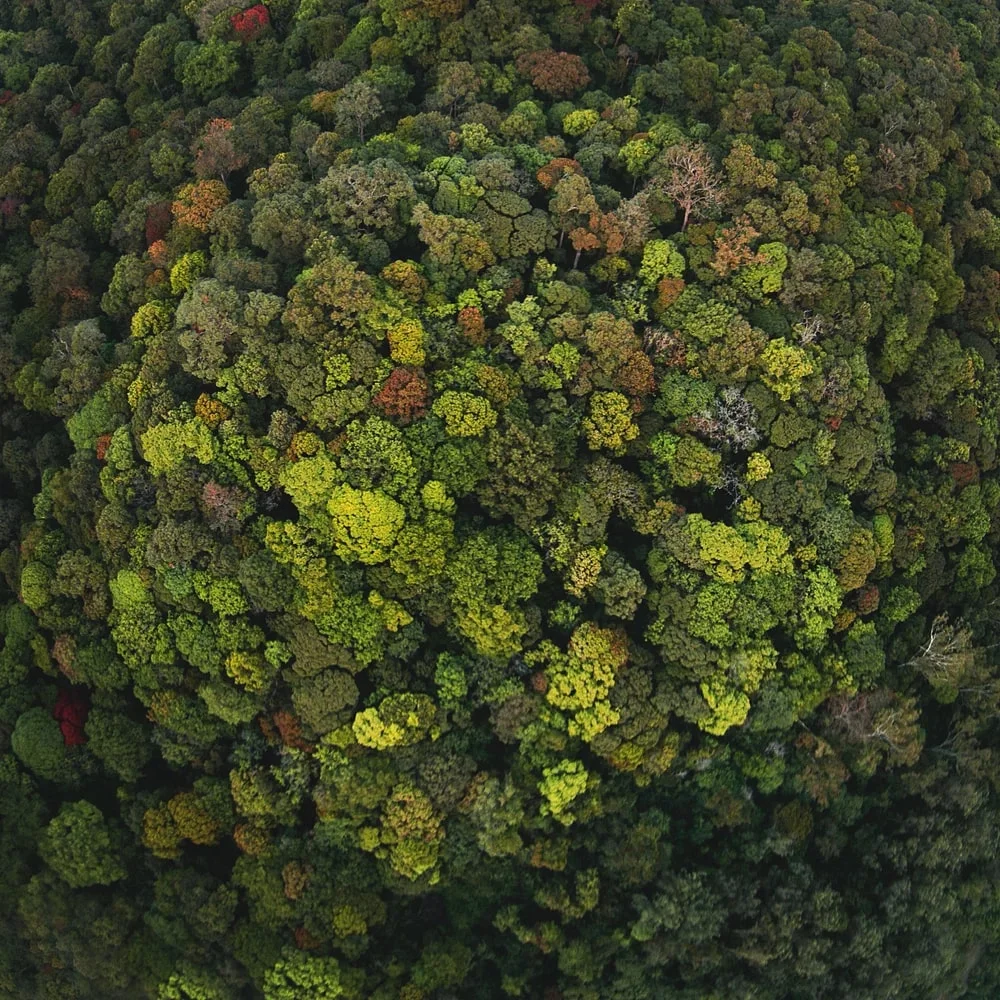
'Kadu' means forest. 'Mane' means home. This 'home' in the forest' began as a tea plantation in the late 1920. However, the first owners were the Myddleton family. Their attempts to grow cardamom, pepper, and coffee failed. The property was then sold to the Earl of Warwick and subsequently to the Tea Estates India Ltd in 1927. The new owners cleared the forests and planted tea. My predecessor, Mr.J.L. Benson, recorded his adventures in a fascinating story that you can find in your room. Today, Kadamane spans 1000 acres of tea, a factory, two churches, a temple, a hospital, and vast areas of forests and grasslands. It is a self-contained, peaceful world, miles away from the hustle and bustle of cities. It gives me great pleasure to welcome you to a bygone age perfectly preserved.